The Magic Carpet Run
A kid gets called fat, runs to a pub sign and back, and doesn't stop. The story behind everything Jason Kane has built since.
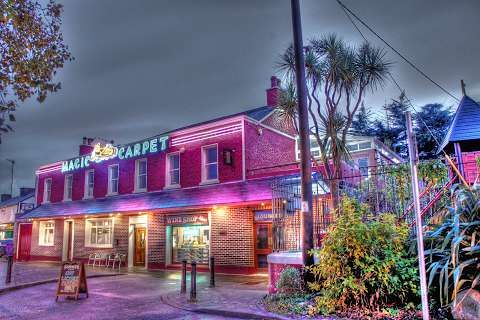
There was a pub called the Magic Carpet, up towards the Dublin mountains from where I grew up in Mackintosh Park.
You could see its sign from my bedroom window if you knew where to look—a large neon carpet on the roof, lit up at night. I don't know when it started, but that sign became a kind of marker in my head. Not because of the pub. Because of the distance. It was just far enough away to feel like a destination.
I was 13, maybe 14. Overweight, although I don't know whether I would have used that word about myself at the time. Someone else used it for me.
It was summer. I was outside playing football with my top off, the way you do as a kid without giving it much thought, when one of the older lads from around the corner called me fat.
In front of everyone.
I don't remember much else about that afternoon. What I remember is the feeling: being seen in a way I didn't want to be seen. That has stayed clearer than almost anything else from that summer.
I went home.
There was no drama in the decision. I just said it to myself: I'm going to do something about this.
There was no programme. No coach. Nobody telling me what to do. I looked up towards the sign on the roof of the Magic Carpet, ran towards it and then ran home again.
That was it.
That was the entire plan.
I don't credit the lad who called me fat for what happened next. Shame is a blunt instrument, and it could just as easily have pushed me in another direction. But the feeling created a moment, and in that moment I acted.
For the first time that I can remember, I experienced something that training would teach me repeatedly over the years: I could feel uncomfortable, make a decision and change something about myself.
I didn't stop after that first run.
That is the part I only really understand looking back. At the time, it was not a grand plan or a new identity. It was simply something I kept doing.
Not long afterwards, a kickboxing club opened near us. A few of the lads from around the corner started going, so I went with them—more because they were going than because of any great intention of my own.
Five or six years later, I was the only one still there.
I was training five or six days a week. Without ever formally deciding that it should, my life had begun to organise itself around school and that gym.
The running led to kickboxing. Kickboxing led to martial arts, strength training and a lifelong interest in what training can do to a person—not only physically, but in how they see themselves and what they believe they are capable of.
There was no single day when everything changed.
It was a kid who got called fat, went for a run and then kept going.
I had no language for it then. I did not know anything about physical capacity, long-term health or preserving options for later life.
But looking back, that run was the first deposit. Long before I had a name for what I was building, it had already begun paying out.
That first run became the earliest contribution to something I would later call a Physical Pension.